Why Vérité Filmmakers Miss the Moment
In documentary filmmaking, the most important moment rarely announces itself.
There is no assistant director calling for quiet. No actor waiting for you to adjust the camera. No second take if your battery dies, your subject shuts down, or your attention is pointed in the wrong direction.
The moment happens.
Then it is gone.
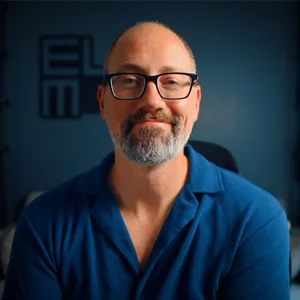
That is why I wanted to talk with Baltimore documentary cinematographer John Benam.
John has shot acclaimed nonfiction work including 12 O’Clock Boys, The Keepers, and The Body Politic. Before focusing primarily on human stories, he spent years filming wildlife for National Geographic.
That background taught him one of the central truths of vérité filmmaking: you cannot control when the action arrives. You can only prepare yourself to recognize it—and still be there when it happens.
Our conversation lasted more than two hours. These are seven of the most useful lessons I took from it.
Watch my interview with Baltimore DP John Benam.
1. Your Gear Changes the Behavior of the People You Film
Most filmmakers choose equipment based on their own needs.
What camera gives me the best image?
Which lens creates the look I want?
How many lights should I bring?
Should I use a tripod, shoulder rig, or gimbal?
Those are valid questions. But John considers another variable:
How will this equipment change the energy of the room?
A large camera on your shoulder communicates something different from a small camera held at chest level. A van full of cases communicates something different from one backpack. A crew carrying lights, stands, monitors, and audio equipment can make a subject feel as though an enormous production has invaded their life.
That anxiety changes behavior.
People become more guarded. They think about how they look. They start performing for the production rather than living inside the scene.
For vérité filmmakers, this is not merely a comfort issue. It is a story issue.
The gear package should not only produce the image you want. It should help create the conditions in which something honest can happen.
2. Build Trust Before You Need It
“There’s an exchange—a human exchange. And I think that is an essential element of getting to what’s real in any filming situation.”
On especially sensitive documentaries, access is not the same thing as trust.
A subject may sign a release and allow you into their home without feeling safe enough to reveal anything meaningful.
While filming The Keepers, John and the team spent significant time with subjects away from the camera. They had lunch, drank coffee, and talked about their lives. The relationship was not limited to the material the filmmakers wanted to extract.
That distinction matters.
Documentary subjects can feel when the relationship is transactional. They know when a filmmaker is simply waiting for the next usable quote or emotional revelation.
Real trust is reciprocal.
The person sharing their life with you also wants to understand who you are, why you care, and whether you will protect their dignity once their story reaches the edit.
You cannot manufacture that relationship in the middle of a crisis. You have to build it gradually, before the story demands deeper access.
For documentary directors and cinematographers, that means spending time together when the camera is not rolling may be just as important as the footage you capture when it is.
3. A Smaller Kit Reduces More Than Weight
Keeping the production footprint small helps subjects relax, but it also makes the filmmaker faster.
Every additional choice creates friction.
Another lens means deciding whether to change lenses.
A gimbal means deciding whether to balance and build it.
More lights mean more setup time, more stands, more power, and more opportunities for something to fail.
More options can feel like more creative freedom. On a fast-moving documentary, they can also create analysis paralysis.
On The Body Politic, John and director Gabriel Francis Paz Goodenough followed Baltimore Mayor Brandon Scott through an unfolding political story. The mayor moved quickly, and the production could not ask reality to wait.
John needed to operate alone with his camera, audio equipment, and a small backpack. The goal was not to make every frame perfect. The goal was to remain close enough, light enough, and ready enough to capture what happened.
This is useful far beyond political vérité.
Before your next shoot, ask:
What can I remove without compromising the story?
A smaller package may give you fewer technical options, but it can give you more access to the moment.
4. Follow the Pressure
“At some point, they’re going to get up and go hunt. I better be there when they do.”
One of the hardest challenges in long-form documentary filmmaking is knowing whether something is becoming a story.
You may film for days without a clear scene. Several narrative strands may be developing at once. Some will disappear. Others may not pay off for weeks or months.
John described tracking these strands like a wildlife filmmaker waiting for a lion to hunt.
The lion may sleep for three days. But eventually it will become hungry, stand up, and act.
Human stories behave similarly.
A deadline is approaching.
Two people disagree.
A difficult decision has been delayed.
Someone wants something they may not get.
A consequence is getting closer.
These are signs of pressure.
Pressure turns information into action.
I describe this through a framework I call Nested Arcs:
Setup → Pressure → Result
Every large documentary story is made from smaller story arcs connected together.
A problem is introduced. Pressure builds around it. Someone is forced to decide, act, retreat, or change. That result then becomes the setup for the next arc.
When you are following a documentary story, do not only ask what happened.
Ask:
What pressure is building?
Who will eventually have to act?
What result would complete this smaller story?
What do I need to stay close to so I can capture it?
Spotting pressure helps you know when an ordinary situation may soon become a scene.
5. Point the Camera Where a Human Would Look
Even when you recognize the story, you still have to decide where to point the camera.
During one scene in The Body Politic, Mayor Brandon Scott had finished speaking and was walking toward a doorway. The disciplined choice might have been to stay with him until the action reached a clean visual ending.
Then a man nearby began screaming at the mayor:
“The blood of 300 people will be on you, Mr. Mayor.”
John turned away from the mayor and toward the man.
That movement captured the central tension of the entire film in a single moment.
It worked because John did what a person standing in that courtyard would naturally do. He looked toward the thing that suddenly demanded attention.
This is one reason great vérité cinematography feels so human.
The camera does not merely document the subject. It observes the scene the way an engaged person would experience it.
When something changes, it reacts.
When someone speaks, it listens.
When a powerful statement lands, it may look for the reaction.
When a new threat enters the room, it turns toward it.
This does not mean chasing every distraction. Staying with a subject is often the correct choice.
But the best vérité camera operators develop an instinct for when leaving the expected frame creates a more truthful experience of the scene.
6. Test Your Equipment in the Exact Configuration You Will Use
“Anytime I’ve ever violated that rule, something has always gone wrong that wouldn’t have gone wrong had I done it the right way.”
John’s preparation rule is simple:
Do not merely pack the equipment. Build it and test it.
Put the camera on your shoulder.
Mount it on the tripod.
Connect the monitor.
Test the audio.
Check the cables.
Power every device.
Use the package the way you intend to use it in the field.
A checklist confirms that you packed the pieces. A complete build confirms that the pieces actually work together.
This distinction prevents the stupid errors that can stop an entire production.
Equipment will eventually fail. That is unavoidable.
But there is a difference between an unpredictable technical failure and a preventable problem caused by skipping preparation.
As I said during our conversation:
Things will happen. But let’s help the things we can.
A tested camera package gives you more than technical reliability. It creates mental freedom.
When you trust your equipment, you can stop thinking about the equipment and pay attention to the story.
7. The People Beside You Matter More Than the Gear
Eventually, every documentary becomes difficult.
The money runs low.
The story changes.
The edit refuses to work.
The access becomes uncertain.
The schedule expands.
Creative disagreements become personal.
At that point, the most important thing you need to trust is not the camera.
It is the people making the film with you.
John and Gabe spent years making The Body Politic. They disagreed. They argued. They worked without the support or resources they needed. But they shared a commitment to finishing the film and honoring the story.
Good collaborators do not eliminate struggle.
They make struggle survivable.
Character matters because documentary filmmaking requires people who will remain thoughtful, honest, and committed when the initial excitement has disappeared.
When you find collaborators who bring that kind of character to the work, keep them close.
The best camera, lens, or tripod may help you capture a moment. The right people help you carry the film all the way to completion.
Great Vérité Filmmaking Is an Exercise in Presence
When you strip away the technical language, vérité filmmaking is not ultimately about gear.
It is about presence.
Preparation allows you to remain present instead of troubleshooting.
A smaller footprint allows subjects to remain present instead of performing.
Trust allows people to reveal something real.
Story awareness helps you recognize when pressure is building.
Patience keeps you there long enough to capture the result.
The equipment should never become a wall between the filmmaker and the person being filmed. It should become an extension of the filmmaker’s attention—honest, patient, curious, and without a predetermined agenda.
The moment will not wait for you.
Your job is to remove everything that might keep you from recognizing it when it arrives.
Watch the Full Conversation
In my conversation with John Benam, we go deeper into:
Building trust on sensitive documentary projects
Choosing a vérité camera package
Tracking several narrative strands while shooting solo
Recognizing pressure inside a developing scene
John’s complete camera-preparation ritual
The two pieces of equipment he refuses to compromise on
The collaborators who helped carry The Body Politic to completion
Watch: Why Vérité Filmmakers Miss the Moment
Need Help With Your Documentary?
I offer one-on-one story consulting for documentary filmmakers working through treatments, story structure, rough cuts, character arcs, and difficult creative decisions.
I also offer filmmaker career coaching for directors and creators seeking more clarity around their positioning, portfolio, and professional direction.